
SEEDS Project Advances Construction at De Schipjes Pilot Site in Bruges
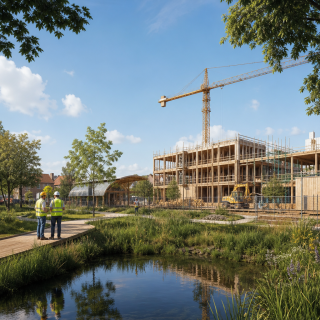
In the heart of Bruges, Belgium, the SEEDS project is making tangible strides towards shaping the future of sustainable urban water management. The initiative, known as SEEDS (Sustainable, Environmental, and Economic Development Solutions), recently announced substantial progress at its De Schipjes pilot site, a key location where innovative engineering is being put to the test. This milestone not only marks an important chapter for the project itself, but also serves as a demonstration of how European cities can adapt to climate challenges through integrated, nature-based solutions.
De Schipjes pilot: a living laboratory for water management
The De Schipjes site is strategically situated in the historic centre of Bruges, making it both a technical and cultural focal point. The pilot is designed to trial and refine new approaches to urban water management, blending traditional civil engineering with ecological enhancements. According to the latest project updates, construction activities at the site have moved forward with several critical phases already completed. New water channels and green zones have been installed, forming the backbone of a system intended to manage stormwater more effectively and sustainably.
These interventions are not merely cosmetic. The new channels are engineered to redirect and store excess rainwater during storms, reducing the risk of urban flooding—a growing concern as climate change brings more intense rainfall events to Belgium and across Europe. Meanwhile, the addition of green zones and vegetated areas supports water infiltration and helps filter pollutants, thereby improving water quality before it re-enters the city’s waterways. The SEEDS team has also made efforts to ensure that construction works are minimally disruptive to the daily life of Bruges and that the city’s historical character is preserved throughout the process.
Integrating engineering and ecological design for resilience
What sets the SEEDS project apart is its commitment to combining robust engineering with ecological sensitivity. The pilot employs a mix of permeable surfaces, vegetated swales, and engineered water channels to manage rainwater runoff in a way that mimics natural processes. This integrated approach is reflective of a broader trend in European infrastructure, where cities are increasingly looking to blend hard engineering with green, nature-based solutions to address the dual challenges of urbanisation and climate change.
The technical teams behind De Schipjes have engaged in close collaboration with urban planners, ecologists, and local authorities. This interdisciplinary cooperation ensures that the solutions developed are both technically robust and environmentally beneficial. The project’s design seeks to enhance urban biodiversity, create new recreational spaces, and foster a healthier urban ecosystem—all while delivering essential water management functions. The result is a site that demonstrates how cities can build resilience to climate risks without compromising on livability or heritage.
Broader context: setting a model for urban adaptation
The innovations at De Schipjes are not occurring in isolation. Across Belgium and Europe, cities are grappling with the need to adapt existing infrastructure to withstand more frequent and severe weather events. The SEEDS pilot serves as a practical example of how technical and ecological strategies can be combined at the neighbourhood scale. By monitoring the performance of the new installations, the project team aims to generate data and insights that can inform future urban regeneration initiatives.
This approach is particularly relevant as European policy increasingly emphasises climate adaptation and sustainability in urban planning. The lessons learned in Bruges could help guide similar projects in other cities facing challenges related to water management, flooding, and environmental quality. For municipal authorities, engineers, and planners, the SEEDS project offers a valuable reference point for integrating modern engineering solutions with local environmental and social needs.
Skills and opportunities for engineering professionals
The progress at De Schipjes highlights the technical expertise required to deliver complex urban water management systems. Civil engineers, environmental engineers, hydrologists, and project managers all play vital roles in ensuring the success of such initiatives. The project also illustrates the growing importance of interdisciplinary skills, as effective solutions increasingly require collaboration between engineers, ecologists, and urban planners.
For engineering professionals in Belgium, the SEEDS pilot offers a glimpse into the evolving demands of the sector. Skills in sustainable construction, hydrological modelling, ecological design, and stakeholder engagement are all critical to the delivery of projects that support climate adaptation and urban resilience. As cities continue to invest in green infrastructure, opportunities will arise for those with the expertise to navigate both technical and environmental challenges.
Engineers and technical specialists interested in contributing to similar projects or advancing their careers in sustainable urban development can explore current opportunities on the Engineering.jobs Belgium job board.
As the SEEDS project continues to progress, its work at De Schipjes is poised to influence the next generation of urban water management strategies, reinforcing the central role of engineering in building cities that are both sustainable and resilient for the future.
Olivier Lambert | Engineering.jobs
Are you a recruiter or employer? Publish your latest company news and job openings on Engineering.jobs to boost your company’s visibility, strengthen your employer brand and attract your future team members. Access our specialised engineering and IT CV database to find candidates who match your needs. Contact us today to learn more about our solutions.