
Brussels Launches €1.5 Billion Ring Road Upgrade to Transform Mobility
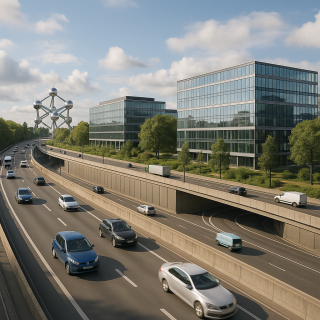
The Brussels Capital Region has taken a decisive step toward reshaping urban mobility with the official launch of a €1.5 billion upgrade to its ring road, the R0. As the main artery encircling Belgium’s capital, the R0 plays a pivotal role in connecting the city with its suburbs, the national motorway network, and the broader European transport infrastructure. With traffic volumes increasing and congestion becoming a persistent challenge, this long-awaited project marks a significant investment in the future of Brussels’ transport system. The initiative not only seeks to alleviate bottlenecks and enhance safety but also reflects a broader commitment to sustainable, multi-modal mobility. For engineers, planners, and technical specialists, the project represents a benchmark in contemporary infrastructure development, bringing together expertise from multiple disciplines.
A comprehensive redesign to address congestion and future growth
The Brussels ring road upgrade is one of the largest infrastructure investments in the region in recent years. The project will focus on a comprehensive redesign of key segments of the R0, particularly those sections most affected by daily congestion and accident risks. Planned works include the reconstruction of major interchanges, widening of lanes in strategic locations, and the introduction of advanced traffic management systems designed to optimise flow and respond dynamically to changing conditions. These interventions are expected to reduce journey times for commuters and freight operators while providing a safer environment for all road users.
Beyond simply expanding road capacity, the project is set to transform the R0 into a more versatile and inclusive transport corridor. Dedicated infrastructure for public transport, such as bus lanes and improved tram crossings, will be integrated alongside new cycling and pedestrian paths. This multi-modal approach recognises the evolving needs of Brussels’ residents and the importance of offering alternatives to private car use. By enabling seamless connections between different modes of transport, the upgrade aims to create a resilient network that can adapt to future shifts in mobility patterns and urban growth.
Prioritising sustainability and environmental stewardship
Central to the R0 upgrade is a strong emphasis on sustainability and environmental integration. The project design incorporates significant noise reduction measures, such as the installation of noise barriers and the construction of green bridges to facilitate wildlife crossings. Landscaping initiatives will help to blend the expanded roadway into its surroundings, minimising visual impact and supporting local biodiversity. In addition, the introduction of modern stormwater management systems and improved drainage infrastructure addresses the growing need for climate resilience, particularly in the face of more frequent heavy rainfall events.
These environmental measures are not only a response to regulatory requirements but also to the expectations of local communities and stakeholders. The integration of green infrastructure and sustainable design principles underscores the importance of environmental engineering, landscape architecture, and ecological planning in today’s major infrastructure projects. As cities across Europe intensify efforts to decarbonise and adapt to climate change, the Brussels ring road upgrade stands as an example of how large-scale transport projects can align with broader environmental goals.
Technical and logistical challenges for the engineering sector
Delivering a project of this magnitude presents substantial technical and logistical challenges. The R0 is one of the busiest roads in Belgium, and maintaining its functionality during construction is a top priority. The upgrade will be executed in carefully planned phases to minimise disruption, requiring close coordination between contractors, public agencies, and the many stakeholders affected by the works. Innovative construction techniques, such as modular bridge assembly and off-site fabrication, may be deployed to accelerate timelines and reduce on-site impact.
Engineering teams will face complex tasks, including integrating new structures with the existing road network, relocating utilities, and managing the flow of construction traffic alongside regular commuters. The use of digital modelling, Building Information Modelling (BIM), and advanced project management software will be essential for planning, risk assessment, and real-time coordination. These requirements highlight the critical role of civil engineering, transport systems expertise, and digital construction management in ensuring the project’s success. The R0 upgrade will serve as a learning ground for best practices in large-scale infrastructure delivery under operational constraints.
Implications for engineering professionals and future projects
The Brussels ring road upgrade not only addresses immediate mobility challenges but also sets a precedent for how urban infrastructure projects can integrate sustainability, technology, and multi-modal connectivity. For engineering professionals in Belgium, the initiative illustrates the breadth of skills and expertise needed to deliver transformative projects: from structural and geotechnical engineering to environmental planning, digital modelling, and stakeholder engagement. The complexity of the R0 upgrade reinforces the value of multidisciplinary collaboration in tackling the challenges of modern urban development.
As the project progresses over the coming years, it will provide valuable insights for similar initiatives across Europe and offer opportunities for engineers and technical specialists to contribute to the evolution of sustainable mobility. Those interested in exploring career paths and current roles in Belgium’s dynamic infrastructure sector can find more information at the Engineering.jobs Belgium portal.
Olivier Lambert | Engineering.jobs
Are you a recruiter or employer? Publish your latest company news and job openings on Engineering.jobs to boost your company’s visibility, strengthen your employer brand and attract your future team members. Access our specialised engineering and IT CV database to find candidates who match your needs. Contact us today to learn more about our solutions.