
Belgian Companies Positioned to Seize Europe’s Defence Sector Growth Through Technology and Partnerships
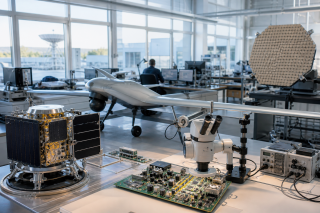
Belgium’s industrial and technology landscape is entering a pivotal moment as the European defence sector undergoes rapid change. According to a recent report by PwC Belgium, the convergence of advanced technologies, skilled talent, and strategic partnerships is creating a wealth of new opportunities for Belgian companies. The report, published on 16 November 2026, outlines how firms that embrace innovation and collaboration can help shape Europe’s defence future, while also strengthening their competitive position at home and abroad.
Technology and dual-use innovation reshape defence
The European defence sector is being transformed by digitalisation and the rise of dual-use technologies—innovations that serve both civilian and military needs. The PwC Belgium report points to artificial intelligence (AI), data analytics, and software-driven solutions as key enablers of this shift. Belgian companies with expertise in these areas are well positioned to contribute to major defence projects, especially as governments and industry seek to modernise their capabilities in response to evolving security challenges.
AI, in particular, stands out as a catalyst for change. The report highlights its growing role in applications such as surveillance, logistics management, and advanced decision support systems. By integrating AI and digital platforms, defence organisations are achieving greater operational efficiency and responsiveness. This trend is opening up new avenues for collaboration between established defence contractors and agile technology firms. For Belgian businesses, especially those with strong digital engineering and software development competencies, the demand for innovative solutions provides a gateway to participate in projects that have both national and European significance.
Moreover, the focus on dual-use innovation allows companies to diversify their offerings and tap into broader markets. As the boundaries between civilian and defence technologies blur, Belgian firms can leverage their existing capabilities to address a wider spectrum of needs, from cybersecurity and autonomous systems to secure communications and logistics platforms.
Strategic ecosystems and cross-border collaboration
The report emphasises the importance of building and participating in strategic ecosystems—networks of companies, research centres, and public agencies working together to develop advanced defence solutions. In the context of Europe’s increasingly integrated defence market, these ecosystems are essential for sharing knowledge, accelerating innovation, and accessing new funding streams.
Cross-border collaboration is gaining momentum as European countries pursue joint procurement, research, and standardisation initiatives. The PwC Belgium analysis encourages Belgian companies to align with European consortia and multinational projects, where their technical strengths and innovative approaches can add significant value. Such collaborations not only facilitate technology transfer but also help companies navigate complex regulatory frameworks and access new sources of investment.
Engagement in these international networks is particularly relevant for Belgian firms seeking to scale their solutions and participate in flagship European defence programmes. By contributing to pan-European initiatives, Belgian companies can help shape technology standards and ensure their innovations are compatible with broader European requirements. This approach also positions them to benefit from future growth as European defence spending and integration continue to increase.
Talent as a catalyst for competitiveness
The availability and development of skilled talent are identified as critical factors for success in the modern defence sector. The PwC Belgium report notes that attracting and nurturing professionals with expertise in engineering, digital technologies, and systems integration is essential for driving innovation and maintaining competitiveness. Belgian companies are encouraged to invest in continuous learning, upskilling, and fostering a culture that values multidisciplinary collaboration.
This focus on talent is especially important as defence projects become more complex and the integration of digital and physical systems accelerates. The ability to combine technical know-how with an understanding of defence-specific requirements is seen as a key differentiator for developing solutions that meet both military and civilian needs. Belgian firms that prioritise talent development are likely to be more agile and better equipped to respond to emerging challenges and opportunities in the sector.
Furthermore, the report suggests that partnerships with universities and research institutions can help companies access the latest knowledge and attract young professionals interested in contributing to high-impact projects. By building strong links between industry and academia, Belgian firms can ensure a steady pipeline of talent and keep pace with the rapid evolution of defence technologies.
Implications for Belgian engineers and technology professionals
The trends outlined in the PwC Belgium report have significant implications for engineers and technology professionals working in or considering a career in the defence sector. The growing emphasis on AI, software engineering, systems integration, and digital transformation highlights the technical skills that will be in demand as the industry evolves. Professionals who can navigate both the technical and regulatory aspects of defence projects are likely to play a central role in shaping the sector’s future.
The rise of dual-use technologies and cross-sector collaboration also creates new pathways for engineers and IT specialists to apply their expertise to projects with both civilian and military impact. For those interested in working at the intersection of innovation and security, the Belgian market offers a dynamic environment where technical excellence, creativity, and partnership are highly valued.
As European defence priorities continue to evolve, Belgian engineers and technology professionals will have the opportunity to contribute to the development of new capabilities that support Europe’s security and competitiveness. The sector’s transformation underscores the importance of continuous learning and adaptability for those seeking to make an impact in this field.
To explore more opportunities in engineering and technology across Belgium, visit our job page.
Olivier Lambert | Engineering.jobs
Are you a recruiter or employer? Publish your latest company news and job openings on Engineering.jobs to boost your company’s visibility, strengthen your employer brand and attract your future team members. Access our specialised engineering and IT CV database to find candidates who match your needs. Contact us today to learn more about our solutions.